
In the fast-evolving world of construction, modular and prefabricated methods are emerging as game-changers. Once seen as niche solutions, they are now gaining traction as sustainable, cost-effective, and efficient alternatives to traditional construction methods. Here’s a closer look at why modular and prefabricated construction is taking center stage in 2024 and what it means for developers, investors, and industry professionals.
1. What is Modular and Prefabricated Construction?
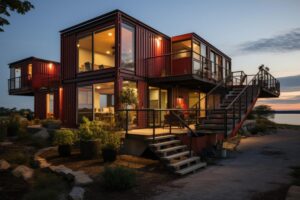
Modular construction involves creating building components in a controlled factory environment and assembling them on-site. Prefabrication is similar but encompasses a broader spectrum, including elements like panels, frames, and pods. These methods reduce on-site labor and streamline project timelines while ensuring consistent quality.
Key Features:
- Speed: Reduces construction time by up to 50%.
- Precision: Factory conditions allow for tighter tolerances and better quality control.
- Sustainability: Minimizes waste and optimizes resource use.
2. Why Modular Construction is Trending in 2024?
a. Rising Demand for Affordable Housing
With housing shortages in urban and suburban areas, modular solutions offer a quick and cost-effective way to meet demand. Governments and private developers are turning to modular methods to create affordable housing at scale.
- Example: Modular housing projects in major cities like New York and London are reducing costs by 20-30% compared to traditional builds.
b. Sustainability and Green Building
Environmental concerns are driving the adoption of sustainable construction methods. Modular systems use fewer materials, produce less waste, and often incorporate energy-efficient designs.
- Trend Insight: Green certifications like LEED and BREEAM now include specific credits for modular and prefabricated projects.
c. Technology Integration
Advances in technology, such as 3D printing and Building Information Modeling (BIM), are enhancing the feasibility and appeal of modular construction. These tools streamline design processes and reduce errors during manufacturing.
3. Benefits of Modular and Prefabricated Construction
a. Faster Project Completion
By manufacturing components off-site, projects can proceed concurrently, reducing overall timelines significantly. This is particularly beneficial for:
- Schools
- Hospitals
- Emergency housing
b. Cost Efficiency
Modular construction minimizes labor costs and reduces material waste, leading to overall savings. For investors, this translates to higher profit margins and faster ROI.
c. Design Flexibility
Contrary to misconceptions, modular construction is not one-size-fits-all. From luxury hotels to custom homes, prefabrication can be tailored to fit diverse architectural styles and requirements.
4. Challenges to Overcome

While modular and prefabricated construction offer numerous advantages, some challenges remain:
- Logistics: Transporting large prefabricated modules can be complex and costly.
- Perception: Overcoming outdated stereotypes about the quality and aesthetics of modular builds.
- Regulations: Navigating local building codes and zoning laws can be tricky, as they’re often designed for traditional methods.
5. The Future of Modular Construction
a. Urban Applications
Cities are adopting modular methods for vertical expansions, mixed-use developments, and infrastructure projects. Expect to see modular skyscrapers and multi-story housing developments becoming the norm in major urban centers.
b. Smart Modular Designs
Smart technologies, such as IoT-enabled systems, are being integrated into modular designs, making buildings more efficient and user-friendly.
c. Global Expansion
Countries like China, Japan, and Germany are leading the charge in modular construction. This global adoption indicates a shift towards prefabricated methods across various markets.
Conclusion: A Building Revolution in the Making

Modular and prefabricated construction represent a paradigm shift in how we think about building design and execution. As 2024 unfolds, these innovative methods will continue to gain traction, offering faster, greener, and more cost-effective solutions for developers and investors alike.